
High-ticket fashion is rarely a transaction of utility.
When a client invests in a bespoke suit, a limited-edition timepiece, or a couture gown, they are not simply purchasing fabric or craftsmanship; they are investing in an identity, a status, and a sensory experience.
In the digital space, the “fashion browser” is often a casual voyeur someone who engages with aesthetics but hesitates at the price point due to a lack of perceived value or trust.
The transition from a casual observer to a high-ticket client requires more than a beautiful website.
It requires a structured sales funnel architecture that bridges the psychological gap between inspiration and investment.
By architecting a journey that prioritizes exclusivity, education, and trust, fashion brands can turn the fleeting attention of a browser into the committed loyalty of a high-value client.
Cultivating Desire through Sensory Storytelling
In high-end fashion, the initial stage of the funnel is not about “selling,” but about cultivation.
A browser becomes a prospect the moment they stop looking at the garment and start imagining their life within it.
This requires moving beyond static product photography and into immersive, high-production storytelling.
Video lookbooks, behind-the-scenes glimpses into the atelier, and editorial content that highlights the heritage of the materials serve as the “Top of Funnel” (TOF) hook.
This content is designed to stimulate the sensory imagination.
For a high-ticket client, the narrative of the brand the “who” and the “how” is often as important as the product itself.
By distributing this high-value content through organic and paid social channels, brands filter out the bargain-hunters and begin to nurture the subset of the audience that values artisan quality over mass-market convenience.
The Digital Concierge: Personalization and Micro-Conversions
The “leakiest” part of a fashion funnel is the gap between the first visit and the final checkout.
High-ticket items have a longer consideration cycle. A shopper might visit a product page five times over a month before deciding to purchase.
If the brand treats every visit as a “new” interaction, they fail to build the intimacy required for luxury sales.
A sophisticated funnel utilizes data-driven personalization to act as a digital concierge. This involves:
- Behavioral Tracking: Recognizing when a user has viewed a specific category (e.g., silk evening wear) multiple times and tailoring the homepage or email recommendations accordingly.
- The “Yes” Ladder: Instead of asking for a $5,000 sale immediately, the funnel encourages micro-conversions. This could be an invitation to join an “Inner Circle” for early access to new collections or a prompt to book a virtual styling consultation.
- Frictionless Information: Providing high-ticket buyers with the technical details they require—sizing charts, fabric origins, and care instructions—at the exact moment of hesitation.
By automating these personalized touchpoints, the brand creates a high-touch experience that mimics a private boutique, making the browser feel recognized rather than just tracked.
Strategic Retargeting and the Architecture of Scarcity
While top-of-funnel content creates demand, a strategic paid media ecosystem is required to capture it.
High-ticket fashion brands do not use ads to “shout” at their audience; they use them to reinforce the brand’s presence through a structured retargeting loop.
When a browser leaves a high-value item in their cart, the retargeting ad they see on Meta or Google should not be a generic “Don’t forget this” message. Instead, the architecture dictates a value-stacking sequence:
- The Social Proof Phase: The user is served an ad featuring a high-profile editorial mention or a testimonial from a recognized tastemaker wearing the item.
- The Craftsmanship Phase: The next ad focuses on a close-up of the stitching or the rarity of the materials, justifying the price point through technical superiority.
- The Scarcity Phase: Only when the user has shown high intent (multiple visits) does the funnel introduce a gentle nudge regarding limited stock or the end of a seasonal window.
This sequence maintains the brand’s prestige while systematically dismantling the buyer’s objections.
By using the Meta Conversions API (CAPI) and Google’s server-side tracking, the ad platforms learn to ignore the “window shoppers” and focus the budget entirely on the “high-intent investors,” drastically lowering the overall cost of acquisition.
The Post-Purchase Appreciation Loop
For a high-ticket fashion brand, the funnel does not end at the transaction. In fact, the most profitable part of the architecture begins after the box is opened.
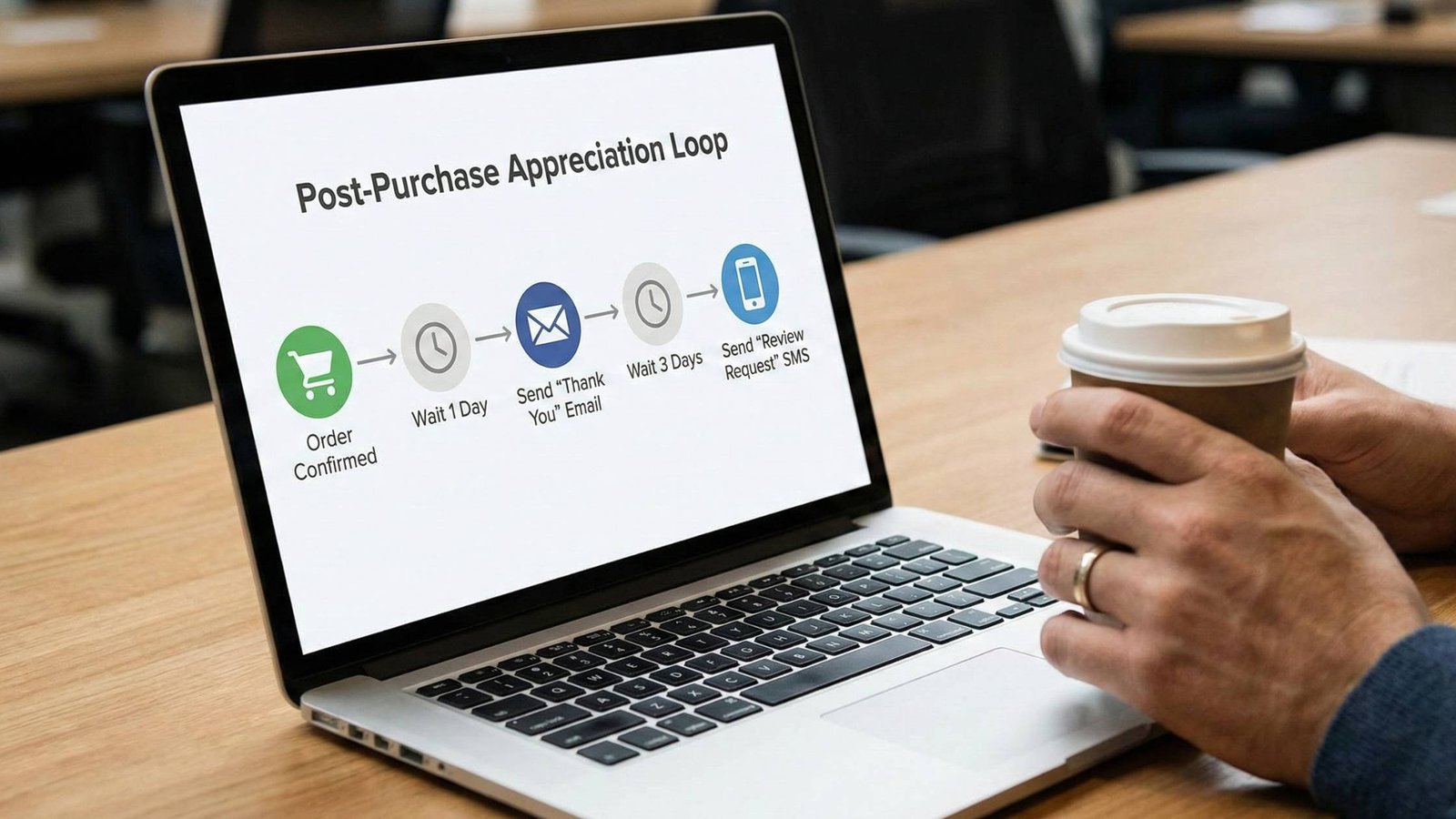
High-ticket clients have a significantly higher Lifetime Value (LTV) potential than one-time purchasers.
A post-purchase funnel automates the “white-glove” experience.
This includes automated (yet highly personalized) emails regarding how to style the new piece, invitations to exclusive brand events, and a “first-look” at the next season’s pre-orders.
When a client feels like they have joined a community rather than just made a purchase, they stop being a “fashion browser” forever and become a recurring revenue source.
Are you ready to transform your luxury fashion brand’s digital presence into a high-converting revenue engine?
Schedule a free consultation call to discuss a custom Luxury Fashion Funnel Audit. You will receive a detailed mapping of your current customer journey friction points and a 90-day strategy to attract and convert high-net-worth clients without compromising your brand’s exclusivity—completely obligation-free.
Blog written by Pranit Kamble